What Happens to Waste After a House Clearance?
Reuse, charity, recycling and the special rules for sofas, fridges and electricals. What should happen to your things once the van drives away.
Carried out by Kwikshift Removals & Storage · licensed waste carrier · £10m insured
Updated 6 October 2026
The Order Things Should Go In
The government's guidance on the waste hierarchy sets out five steps for dealing with waste, from best to worst for the environment:
- Prevention – not creating the waste at all.
- Preparing for reuse – cleaning or repairing things so they can be used again.
- Recycling – turning materials into something new.
- Other recovery – such as burning waste to make energy.
- Disposal – landfill, as a last resort.
A good house clearance follows the same order. Here is what that means for the things in a typical home.
Reuse: Family, Selling and Charity
The best home for a good chest of drawers is someone else's bedroom. Before a clearance, offer things to family and friends, sell what you can, and give the rest to charity.
In North Staffordshire, Newcastle-under-Lyme Borough Council points people to charity collections, including:
- Emmaus North Staffs, which collects free within 10 miles of its Hanley furniture shop;
- the British Heart Foundation, which collects furniture and electrical items it can sell;
- the Salvation Army.
Charities can only take items in good, saleable condition. Upholstered furniture must have its fire label. GOV.UK says that if a charity collects from you, check it is on the waste carrier register as lower tier.
Sofas and Armchairs: The POPs Rules
Many sofas and chairs were treated with flame retardants. Some of these are "persistent organic pollutants", or POPs. They don't break down and can build up in the environment.
The Environment Agency's guidance on waste upholstered domestic seating containing POPs covers items such as:
- sofas, sofa beds and armchairs, including recliners;
- upholstered kitchen and dining chairs, stools and footstools;
- futons, bean bags and sofa cushions;
- home-style office chairs and upholstered garden furniture.
Mattresses, beds, curtains and small scatter cushions are not covered by this guidance.
When this seating becomes waste, the guidance says:
- it must be kept separate from other waste, including in skips and at tips;
- it must be destroyed in an incinerator or cement kiln that is authorised to take it;
- it must not be landfilled or recycled;
- waste paperwork must describe it as domestic seating containing POPs.
A sofa can still be reused. Separate guidance says it must be used again for the same purpose, need no more than minor repair, carry the right fire safety labels, and not be stored with waste. So a sound sofa can go to a charity, but not once it has been thrown in a skip.
Have sofas, fridges or a whole house to clear?
Send the postcode, preferred date, access details and a few photos and Kwikshift will come back with a free quote.
Get a Free QuoteFridges, Freezers and Other Electricals
Electrical items, known as WEEE (waste electrical and electronic equipment), shouldn't go in with general rubbish. Fridges and freezers need their own recycling route, which is why clearance companies often charge extra for them.
GOV.UK's rules for electrical retailers give you some free options:
- When you buy a new electrical item, the shop must offer to take back your old one of the same type, such as an old kettle for a new one. In store, this is free, and you have at least 28 days to bring it back.
- Shops with a large electrical sales area (over 400 square metres) must take back very small electricals, under 25cm on their longest side, for free, even if you buy nothing.
- Retailers can charge for collecting old items from your home.
Council recycling centres take many electricals too. In Stoke-on-Trent, the Hanford tip lists electrical items, fridges and televisions among the things it accepts, and the city council lists electrical recycling points on its website. Elsewhere, check your council's list before you go.
Recycling, Energy and Landfill
What is left after reuse is sorted into materials where possible: metal, wood, cardboard, textiles, garden waste and so on. Council recycling centres have separate areas for these.
General rubbish that can't be recycled is often burned to make energy rather than landfilled. Newcastle-under-Lyme Borough Council, for example, says its general waste goes to a waste-to-energy plant that produces electricity.
Landfill sits at the bottom of the list. It should only take what can't be reused, recycled or recovered.
Paperwork: Waste Transfer Notes
A waste transfer note records what waste was passed on, and to whom. The waste duty of care code of practice says:
- householders clearing their own household waste don't need one, but should check the company is a registered waste carrier;
- businesses, and landlords clearing a property after tenants leave, do need them, and should keep them for at least two years.
Whoever you are, ask any clearance company where your waste will go. A genuine company will be able to tell you. See how to choose a licensed clearance company.
What You Can Do Before a Clearance
- Offer good items to family, friends and neighbours first.
- Book charity collections early, and check sofas and chairs for fire labels.
- Keep reusable furniture out of skips and away from rubbish, so it can still be reused.
- Tell the clearance company which items are in good condition, and ask what will happen to them.
- Keep paint, chemicals and gas bottles separate, and check what your local tip accepts.
How Kwikshift Can Help
Kwikshift moves furniture to new homes or charities rather than landfill where possible. Everything else goes to licensed sites, and you can ask for paperwork. Whether it is a single sofa or a whole house, see our furniture collection and house clearance services.
Trusted by Hundreds of Customers
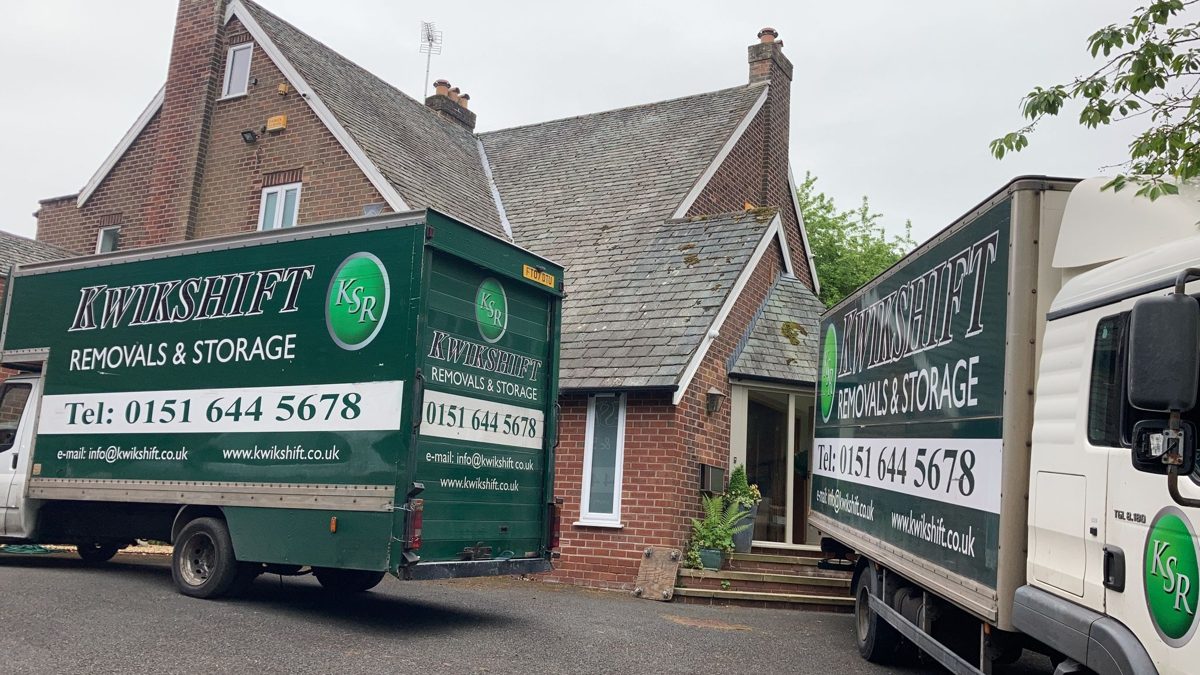
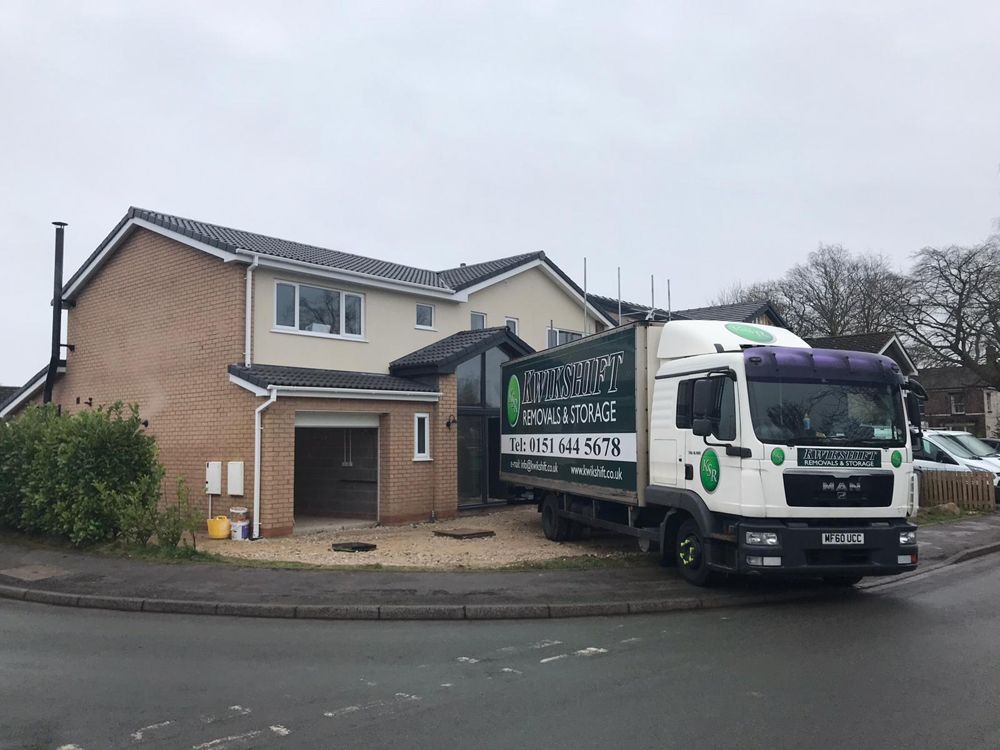
Every job is carried out by Kwikshift Removals & Storage, an established removals, clearance and storage company with over 15 years in the trade.
What customers say about Kwikshift
- Friendly, efficient crews, often praised by name
- Belongings handled with care, from furniture to fragile items
- Clear communication from first enquiry to the finished job
Frequently Asked Questions
Book a Responsible Clearance
Tell us what needs clearing, moving or storing. Kwikshift aims to reply promptly during business hours, normally within 60 minutes.