End of Tenancy Clearance: A Guide for Landlords and Agents
Belongings left behind, the rules on getting rid of them, the waste paperwork you need, and how to turn a property round between tenants.
Carried out by Kwikshift Removals & Storage · licensed waste carrier · £10m insured
Updated 6 October 2026
Two Kinds of End of Tenancy Clearance
Most end of tenancy clearances fall into one of two groups:
- The tenant has gone and left things behind. Here you need to be careful about the law on other people's belongings.
- You are clearing your own items, such as old furnished-let furniture, white goods, or rubbish from the garden and sheds, before re-letting or selling.
This guide covers England and is general information, not legal advice. If a tenant may dispute what happened, or you are unsure the tenancy has actually ended, speak to a solicitor or your landlord association first.
When a Tenant Leaves Belongings Behind
The NRLA's guidance on tenant belongings at the end of a tenancy explains that the goods still belong to the tenant. The landlord becomes responsible for keeping them safe. If you sell or dispose of them without following the right process, the tenant may claim damages under the Torts (Interference with Goods) Act 1977.
The NRLA suggests these steps:
- Make sure the tenant has really left and the tenancy has ended.
- Work out how long you need to store the goods before selling them.
- Try to contact the former tenant, and their guarantor if they had one.
- Only then dispose of the goods.
Under the Act, a notice of intention to sell must be in writing and give the owner a reasonable chance to collect. If the tenant owes you money in connection with the goods, the notice period must be at least three months. If you do sell, you must account to the tenant for the money, less the costs of sale.
Many landlords include a clause in the tenancy agreement saying what will happen to abandoned belongings. The NRLA recommends this.
Low Risk and High Risk Items
The NRLA splits left-behind belongings into groups:
Low value, low risk
Old newspapers, post, food, old clothes, broken items, toiletries and houseplants. Generally safe to dispose of.
High value, high risk
Furniture, TVs, computers, phones, white goods, jewellery, tools and vehicles. Follow the tenancy clause or the Torts Act process.
Low value, high risk
Photo albums, letters and children's artwork. Little money value, but they matter to the tenant. Store them if you can.
If you are using a clearance company, tell them which items must be boxed and kept, and which can go.
Your Waste Duties as a Landlord
This is the part many landlords miss. The government's waste duty of care code of practice says that waste from clearing a property after it has been vacated, such as a landlord or letting agent clearing a rental, is not household waste.
That means:
- the full business duty of care applies;
- you should only hand the waste to an authorised person, such as a registered upper tier waste carrier;
- a waste transfer note, with a written description of the waste, should be completed;
- you should keep waste transfer notes for non-hazardous waste for at least two years.
It also means council tips are not the answer. Stoke-on-Trent's tips, for example, don't accept trade or commercial waste, and staff can refuse loads they think come from a clearance.
Need a clearance with the right paperwork?
Send the postcode, preferred date, access details and a few photos and Kwikshift will come back with a free quote.
Get a Free QuoteClearing Your Own Furniture and Appliances
If you are replacing the furniture in a furnished let, a few rules are worth knowing:
- Sofas and armchairs. Waste upholstered seating may contain chemicals called POPs. Environment Agency guidance says it must be kept separate from other waste and destroyed by incineration, not landfilled.
- Furniture to donate. Charities such as the British Heart Foundation only take items they can sell, and upholstered items need fire labels.
- Fridges, cookers and washing machines. If you are buying new ones, the retailer must offer to take back the old ones of the same type.
- Mattresses. Usually charged as an extra item by clearance companies, so mention them when you ask for a quote.
Usable furniture can sometimes go on to a new home rather than to waste. Ask about this when you book.
Inventory, Photos and Keys
Good records protect you if there is a later dispute about belongings or the deposit.
- Check-out inspection. The NRLA suggests doing this on the last day, ideally with the tenant there, so everything is accounted for.
- Photos and video. Record every room, cupboard, the loft, garden and outbuildings before anything is moved. Date-stamp them.
- Compare with the check-in inventory. Note what was yours and what was the tenant's.
- Keep copies of any letters or notices you send, and when.
- Keys. Note which keys came back. If someone else needs access for the clearance, agree how keys will be handed over and returned.
Timing Between Tenancies
Empty weeks cost money, so plan the turnaround in order:
- Check-out inspection and photos.
- Deal with any tenant belongings properly, as above.
- Clearance of everything that is going.
- Repairs and decorating.
- Cleaning.
- New inventory and check-in.
Book the clearance early, and send photos when you ask for a quote. Kwikshift will give you a time on the quote, so you can book trades and cleaners around it.
How Kwikshift Can Help
Kwikshift's crews can clear rented houses and flats across North Staffordshire for landlords and letting agents. Kwikshift is an upper tier waste carrier (CBDU232762), waste goes to licensed sites, and you can ask for a waste transfer note. See our house clearance service, or send photos for a free quote.
Trusted by Hundreds of Customers
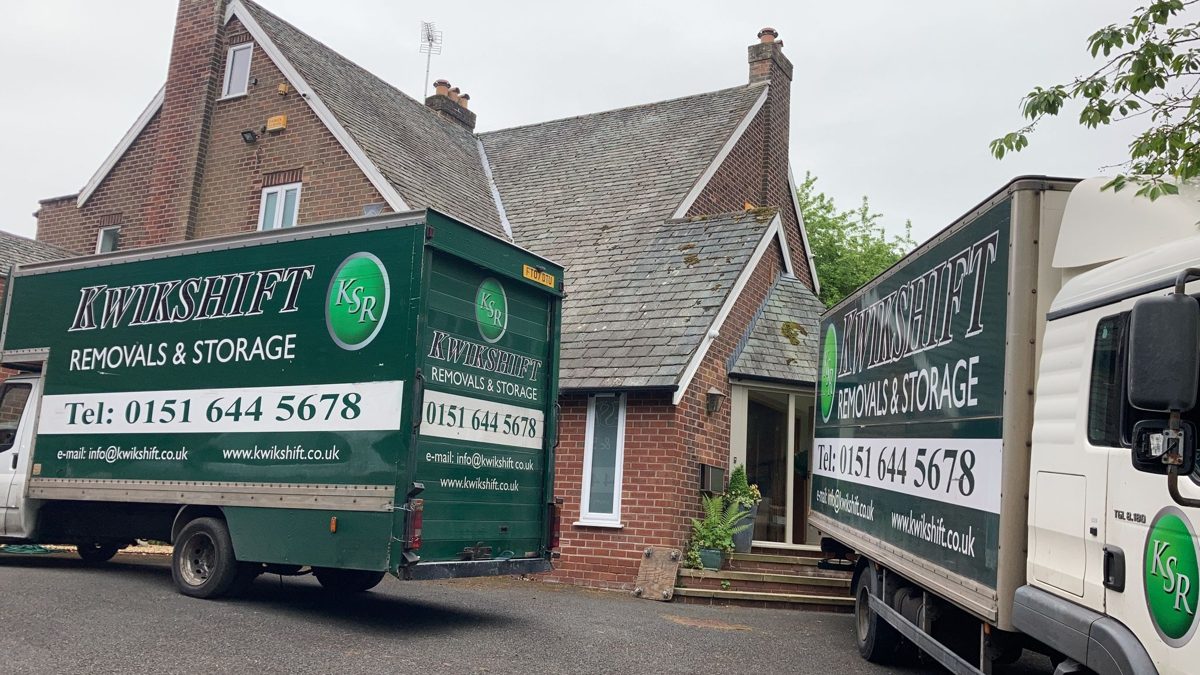
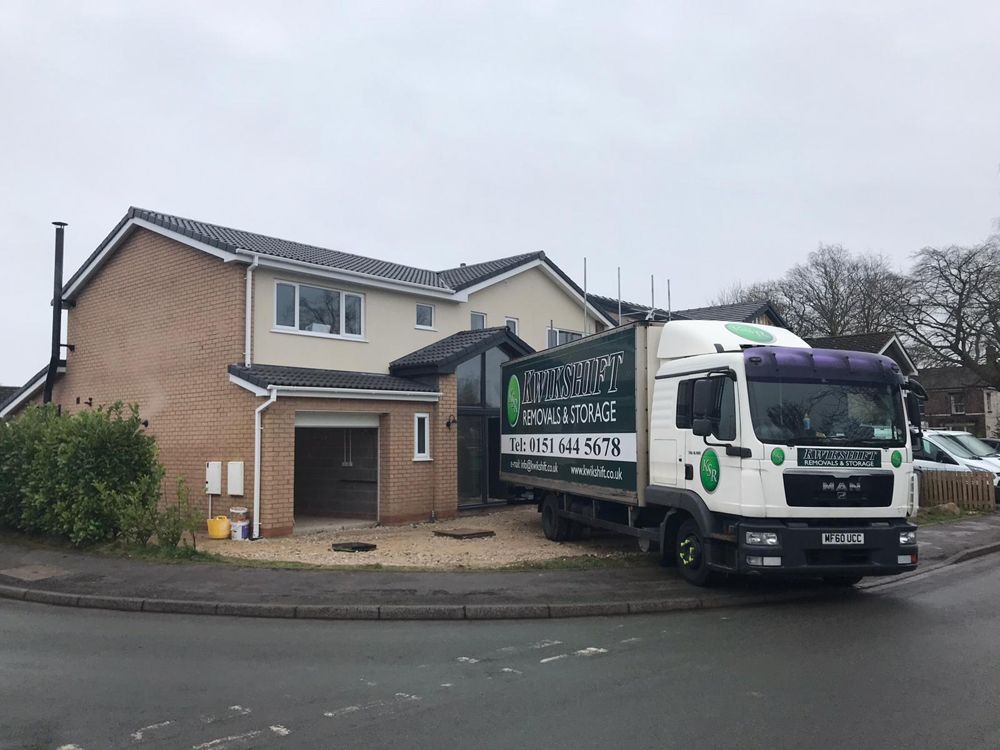
Every job is carried out by Kwikshift Removals & Storage, an established removals, clearance and storage company with over 15 years in the trade.
What customers say about Kwikshift
- Friendly, efficient crews, often praised by name
- Belongings handled with care, from furniture to fragile items
- Clear communication from first enquiry to the finished job
Frequently Asked Questions
Need a Rental Property Cleared?
Tell us what needs clearing, moving or storing. Kwikshift aims to reply promptly during business hours, normally within 60 minutes.