10 House Clearance Mistakes to Avoid
The slip-ups that cause the most trouble during a clearance, and the simple steps that prevent them.
Carried out by Kwikshift Removals & Storage · licensed waste carrier · £10m insured
Updated 6 October 2026
A house clearance is often done under pressure: after a death, before a move, or with a landlord waiting for the keys. That is when mistakes happen. Most of them are easy to avoid if you know about them in advance.
1. Throwing Things Out Before Checking Them
Important things hide in ordinary places. Wills in biscuit tins, cash in coat pockets, bank letters in books, rings in old handbags. Once a bag has gone, it has gone.
Instead: do a paperwork and valuables search first, room by room. Check pockets, bags, drawers, the backs of cupboards and the loft. If anything is left unchecked, tell the clearance company what to look out for.
2. Clearing Too Early After a Death
GOV.UK says you should not make financial plans or put a property on the market until you have probate. Belongings are part of the estate. Giving them away or selling them before the executor is ready can cause family disputes and problems with the estate.
Instead: secure the house, find the papers, and take advice before the main clearance. Our probate clearance guide explains the order of jobs.
3. Not Valuing Things First
If the estate needs to be valued, GOV.UK says you can get a professional valuation for anything worth over £1,500, and work out what items like jewellery, cars and paintings would sell for. You can't value something that has already gone.
Instead: photograph each room and get anything that might be valuable looked at before the clearance.
4. Using Someone Who Isn't Licensed
A cheap "man with a van" who isn't registered may dump your waste. If it is traced back to you and you didn't do the checks, the council can give you a fixed penalty of between £150 and £600, or prosecute.
Instead: check the company is an upper tier waste carrier on the Environment Agency register. Keep a receipt and a note of their number. See how to choose a licensed clearance company.
5. Comparing Quotes That Aren't the Same
One quote includes the loft, garage, fridges and mattresses. Another doesn't. The second looks cheaper until the extras are added on the day.
Instead: send the same photos and details to each company and ask for a written price that says what is included. See what house clearance costs for typical extra charges.
Want a clear, written price with nothing hidden?
Send the postcode, preferred date, access details and a few photos and Kwikshift will come back with a free quote.
Get a Free Quote6. Forgetting the Loft, Garage and Shed
These spaces often hold as much as the rest of the house. If they are left out of the quote, the price and the time can both change on the day.
Instead: photograph inside every outbuilding and the loft, with the doors open, and include them when you ask for a quote.
7. Expecting Charities to Take Everything
Charities can only take what they can sell. The British Heart Foundation and Emmaus North Staffs both need upholstered furniture to have fire labels, and items to be in good condition. Collections may also be booked up for weeks.
Instead: book charity collections early, check the fire labels, and plan for the rest to go another way.
8. Putting Everything in a Skip
Some things shouldn't go in with general waste. Environment Agency guidance says waste sofas, armchairs and other upholstered seating may contain chemicals called POPs. They must be kept separate and destroyed, not landfilled. Fridges and electricals have their own recycling routes too.
Instead: keep these items apart and use a company that knows the rules. See what happens to waste after a clearance.
9. Leaving It Too Late Before a Deadline
If a council or housing association home has to be cleared after a death, Shelter says you usually have about 4 weeks once the landlord gives notice. That goes quickly once sorting, charity collections and family visits are added.
Instead: get a quote in the first week and book the clearance a few days before the deadline. If you need more time, ask the landlord early.
10. Doing the Heavy Lifting Alone
Wardrobes, sofas and fridges on narrow stairs cause injuries and damage. Hire vans also bring their own problems. Staffordshire County Council needs a permit for vans at its tips, and Stoke-on-Trent's tips may refuse loads that look like a house clearance.
Instead: sort the small things yourself, and leave the heavy furniture to a crew with the right equipment and insurance.
And One More: Forgetting the Admin
Once the house is empty, it is tempting to lock the door and walk away. A few small jobs save trouble later:
- Take final meter readings, with photos, and give them to the gas, electricity and water suppliers.
- Tell the council. If the owner has died, GOV.UK says no council tax is due on the empty home until probate, and it may be exempt for up to 6 months after.
- Check the house insurance still covers an empty property.
- Take photos of every empty room.
- Return all keys to the landlord, agent or executor, and get a note that they have them.
How Kwikshift Can Help
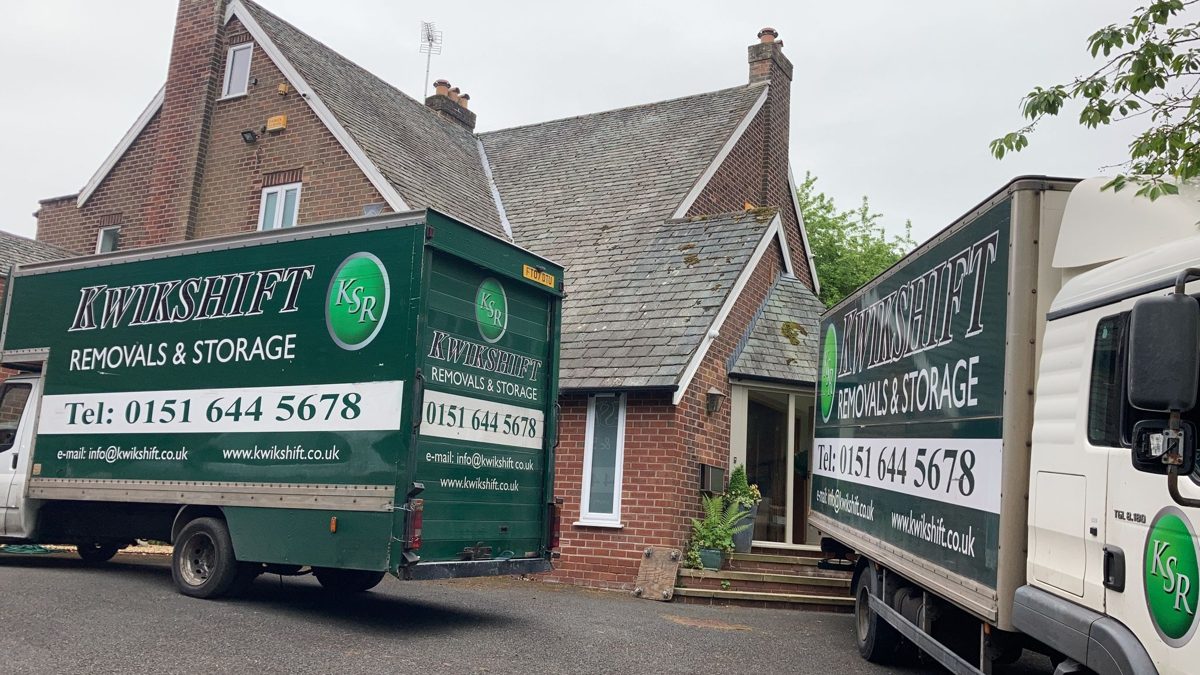
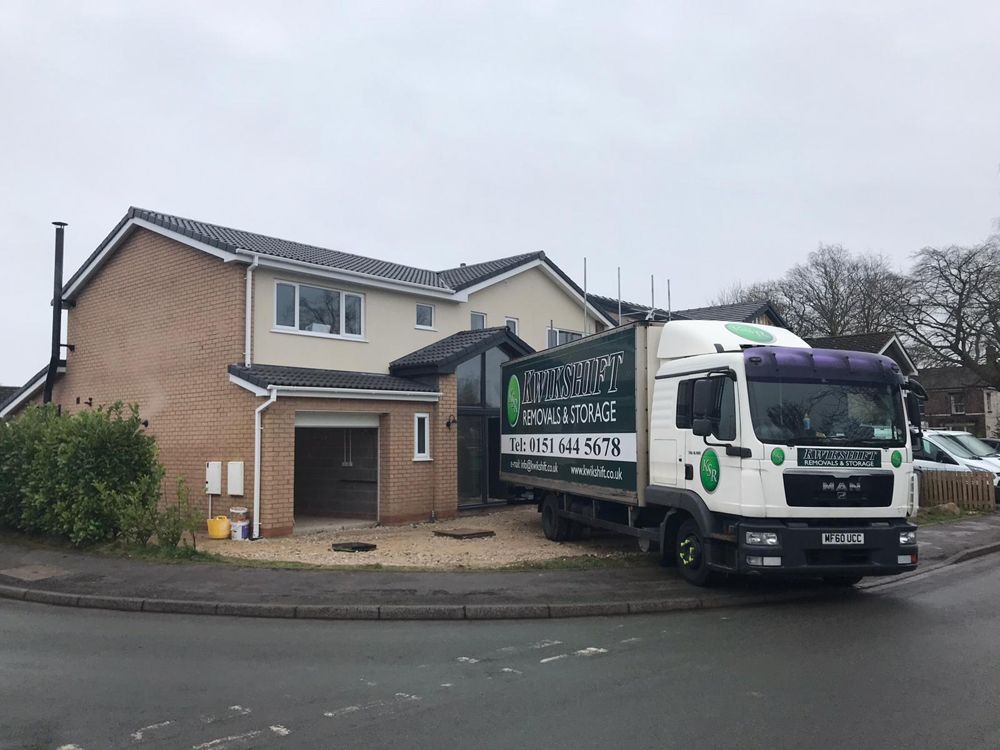
Kwikshift's crews carry out house clearances across North Staffordshire. They are an upper tier waste carrier with £10 million public liability insurance, and they give a free written quote based on your photos. Tell them what is staying and what to look out for when you book.
Trusted by Hundreds of Customers
Every job is carried out by Kwikshift Removals & Storage, an established removals, clearance and storage company with over 15 years in the trade.
What customers say about Kwikshift
- Friendly, efficient crews, often praised by name
- Belongings handled with care, from furniture to fragile items
- Clear communication from first enquiry to the finished job
Frequently Asked Questions
Get Your Clearance Right First Time
Tell us what needs clearing, moving or storing. Kwikshift aims to reply promptly during business hours, normally within 60 minutes.